Home » Blog » Digital Travel » What to Post on Social Media if You Run a Restaurant: Ideas, Examples, and a Content Calendar
What to Post on Social Media if You Run a Restaurant: Ideas, Examples, and a Content Calendar
Managing a restaurant’s social media often feels more exhausting than effective: lots of posts go out, but without a clear strategy. In this article, I’ll explain what to post on social media if you run a restaurant, offering concrete ideas, practical examples, and a sustainable content calendar designed for long-term success.
“What are we posting today?” is one of the most common questions in restaurants. It comes right on time, often at the last minute, and almost always leads to stress. You snap a photo of the dish, write a quick caption, and hope it works. The problem isn’t Instagram, nor Facebook. The issue is the lack of a logic. Posting without a strategy leads to two consequences: repetitive content and fatigue. And when communicating becomes a burden, it stops working.
Summary
In this article I want to give a concrete answer to a simple but fundamental question: what to post on social media if you own a restaurant. I’ll do it with practical ideas, realistic examples, and a sustainable calendar, designed for those who really work in the kitchen and dining room, not for those who only live on social media.
First of all: social media are not for “filling gaps”
Many restaurants use social media as a filler: you post when you have time, you disappear when you don’t. This approach makes communication random and not very recognizable. Social media, instead, are meant to build expectations. Your followers need to understand what kind of experience you offer, what atmosphere they will find, and why they should choose you. You don’t need to post every day, but you do need to be consistent.
1. The dishes, yes. But tell more about them
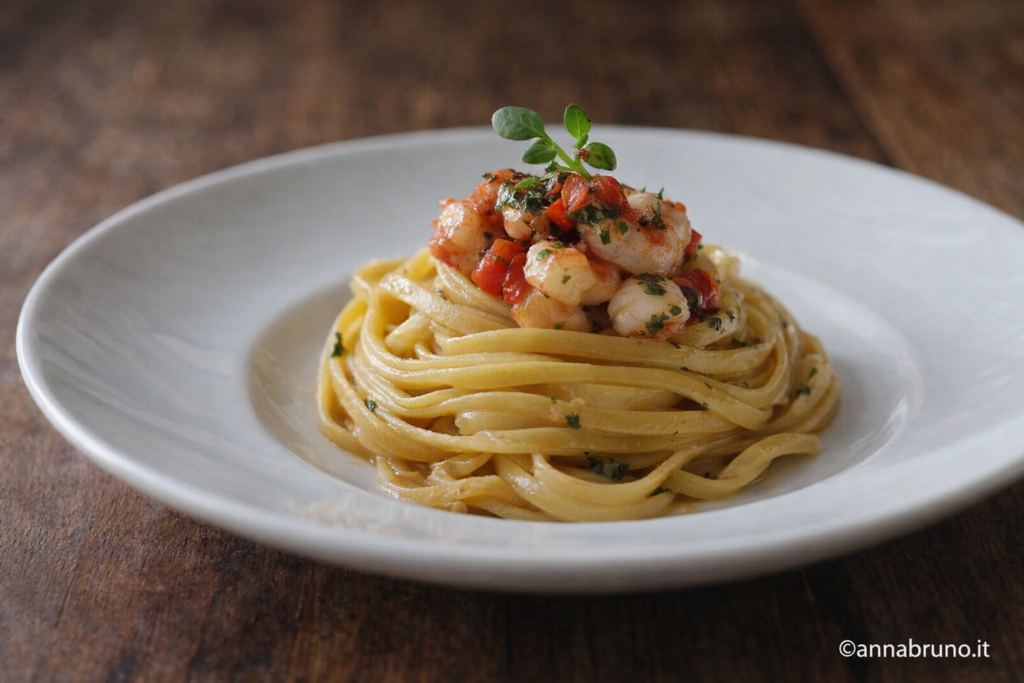
The photo of the dish is the most common content posted by restaurants. And that’s fine. But alone, it’s no longer enough. Just posting “today’s spaghetti allo scoglio” doesn’t build value. A dish can tell many things:
why it’s on the menu
when it was created
what’s in season about it
what type of customer chooses it
Example: instead of just the photo, you can explain why that dish returns every year or why you only offer it at certain times. This helps customers understand and remember.
2. The kitchen and behind the scenes
One of the most underrated contents is the daily work. Preparations, trials, organization, mistakes, rhythms. Showing the behind the scenes doesn’t mean “revealing secrets,” but making your value visible. People look for more than just the finished dish. They look for trust. And trust is built when they understand there’s real work behind it, not improvisation. Even a short video in the kitchen, without complicated editing, can work much better than a polished photo.
3. The team: who works in the restaurant
A restaurant is not just a place, it’s a group of people. Yet many social profiles never show who works there. Presenting the team is not about being “friendly,” but about humanizing the brand. A face is memorable, an empty dining room is not. You can tell stories about:
who is in the kitchen
who welcomes the customers
how long they have been working there
what makes them part of the project
4. The customer experience (not copied reviews)
Reposting reviews endlessly is ineffective. It’s much better to describe the experience you want people to have. A table celebrating, a full dining room, a slow lunch, a noisy dinner, a quiet moment. Without violating privacy, you can show what kind of atmosphere people will find. People choose a restaurant also based on how they want to feel, not just what they want to eat.
5. The Territory and the Context
If the restaurant is tied to a specific territory, it should be told as part of the story. Not as a slogan, but as a real context: seasons, events, flows, habits. A restaurant that lives its territory conveys solidity. And this is a huge value, especially for those who carefully choose where to eat.
A simple (and sustainable) calendar
You don’t need to post every day. For most restaurants, 3 posts per week are more than enough, if well thought out. Example of a weekly calendar:
Start of the week: dish, menu, or seasonal offer
Midweek: behind the scenes or team
Weekend: atmosphere, dining room, experience
This pattern is repeatable, adaptable, and above all, sustainable. It doesn’t require constant photo shoots or an obsessive presence.
What to always avoid
posting only when you “have time left over”
copying formats that do not represent you
chasing trends that have nothing to do with your restaurant
using social media just for promotions
Social media shouldn’t fill tables for tomorrow. They should build a lasting relationship.
Conclusion: less content, more meaning
Understanding what to post on social media if you have a restaurant means stopping to ask “what’s trendy” and starting to ask “what do I really want to communicate”. A sustainable communication is not a perfect one, but one you can maintain over time without betraying your work. If you want to build a social strategy in line with your restaurant, your territory, and your time, you can start here: Book a free consultation
FAQ
What should you post on social media if you have a restaurant?
Content that tells the story of the experience: explained dishes, kitchen work, people working there, the venue’s atmosphere, and its connection with the area. You don’t need to post every day, but you need to be consistent.
How many times a week should a restaurant post on social media?
For most restaurants, 2–3 posts a week are enough. What matters is consistency, not quantity.
Is it better to post photos or videos for a restaurant?
Both work. Photos are ideal for capturing dishes and atmosphere, while videos are great for showing behind the scenes and daily work. The choice depends on the time and resources available.
What should you avoid on a restaurant’s social media?
Avoid random content, out-of-context trends, only promotions, and irregular posting. Social media should build trust, not just fill seats at the last minute.
Do small restaurants need a social media strategy?
Yes. A simple and sustainable strategy is even more important for small restaurants, as it helps communicate better without wasting time and energy.
Usiamo cookie per ottimizzare il nostro sito web ed i nostri servizi.
Funzionale
Always active
L'archiviazione tecnica o l'accesso sono strettamente necessari al fine legittimo di consentire l'uso di un servizio specifico esplicitamente richiesto dall'abbonato o dall'utente, o al solo scopo di effettuare la trasmissione di una comunicazione su una rete di comunicazione elettronica.
Preferenze
L'archiviazione tecnica o l'accesso sono necessari per lo scopo legittimo di memorizzare le preferenze che non sono richieste dall'abbonato o dall'utente.
Statistiche
L'archiviazione tecnica o l'accesso che viene utilizzato esclusivamente per scopi statistici.L'archiviazione tecnica o l'accesso che viene utilizzato esclusivamente per scopi statistici anonimi. Senza un mandato di comparizione, una conformità volontaria da parte del vostro Fornitore di Servizi Internet, o ulteriori registrazioni da parte di terzi, le informazioni memorizzate o recuperate per questo scopo da sole non possono di solito essere utilizzate per l'identificazione.
Marketing
L'archiviazione tecnica o l'accesso sono necessari per creare profili di utenti per inviare pubblicità, o per tracciare l'utente su un sito web o su diversi siti web per scopi di marketing simili.