Home » Blog » Digital Travel » Strategy Comes Before Content: What I Really Mean When I Talk About Marketing
Strategy Comes Before Content: What I Really Mean When I Talk About Marketing
Many talk about content. Few talk about direction. Yet, over the years, this is exactly what I’ve learned: marketing doesn’t start with what you publish, but with why you’re doing it. In this article, I’ll explain what I truly mean when I say strategy comes before content—and why this distinction can change everything.
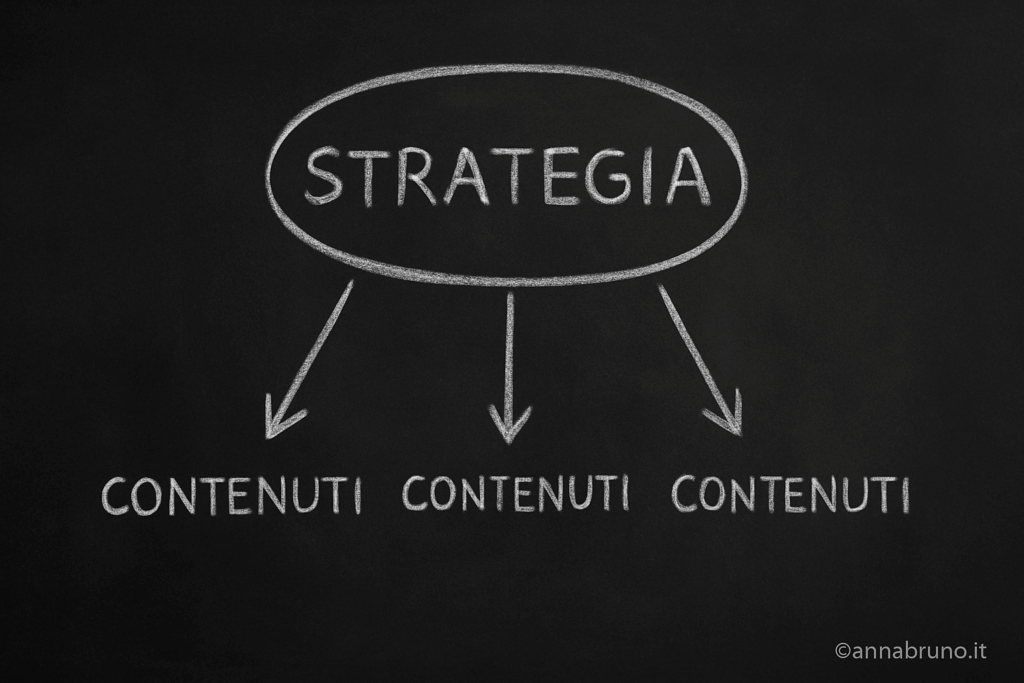
How many times have I heard: “We need content.” It’s often the first thing a client says. And every time, before even responding, I ask myself one question:contentfor what purpose?Because that’s the point. Content isn’t where you start. It’s the end point. The visible result of a chain of choices, analysis, questions, and goals. If you don’t know who you want to reach, if you haven’t decided what you want to achieve, if you’re not clear about the kind of relationship you want to build… creating content is just an aesthetic exercise. Or worse, filler.
Summary
Strategy means vision, not just planning
When I talk about strategy, I don’t mean “scheduling a posting calendar.” I mean giving direction to every single action. It means deciding why you exist, why you communicate, what kind of experience you want to offer those who meet you – online or offline.
A restaurant that only posts daily specials, without ever telling its own story, ends up looking just like all the others. A destination that only shares events, without ever working on a consistent narrative, misses the chance to shape an image and imagination.
That’s what strategy is for: to bring order, make choices, cut. To understand what’s really worth communicating. To decide where we speak up, and where we let silence speak instead.
The difference between content and marketing
Creating content is not marketing. Marketing is design. It’s relationship. It’s an identity meeting an audience and generating a reaction.
Let me share three differences I often see between those who “make content” and those who do real marketing:
Content answers to an idea. Marketing answers to a need.A piece of content can be created because “we like it”, because “it’s trendy”, because “it’s cute.” A marketing plan starts from analysis: who we want to reach, with which words, on which channels, at what moment.
Content speaks. Marketing listens.Content says something. Marketing listens first. It studies what is perceived, how the brand is interpreted, what values are shared. Then it builds messages that speak with coherence and intent.
Content stands alone. Marketing connects them.A post can be beautiful, but if it’s not part of a journey, a narrative, a relationship logic… it’s just a lone dot. Strategy creates lines. It sketches the bigger picture.
The risks of working without a strategy
Without a strategy, you fall into a dangerous trap: random communication. You end up posting content with no method, chasing trends, repeating the same pattern because “it works”—without asking if it really does, and for whom.
The greatest risk is dispersion. Wasted time, scattered budget, energy leading nowhere. And then incoherence: different messages on different channels, broken promises, confused identities. And again, the struggle: communicating a lot, but reaping little. I’ve seen it happen with restaurants featuring extraordinary cuisine but a slapdash digital presence. With destinations rich in potential but lacking a clear message. With local producers who entrust their image to people who work just to “fill feeds”, without understanding who’s really on the other side.
Strategy is an act of respect
Strategy isn’t just a technical process. It’s an act of respect—towards those who communicate and those who receive the message. It means not wasting attention, not using empty words, not taking up space without reason.
When I guide a client in building a strategy, I’m not handing them a document: I’m giving them a direction, a compass, a way to make better choices each day. And that’s where content is born. But it’s content that’s aware, meaningful, coherent. Publishing isn’t mandatory. But if you do it, do it intentionally. With vision. With respect for your audience.
Conclusion: before you speak, decide what you want to say (and why)
You don’t need content. You need the right content. And the right content only comes from a clear strategy, a defined identity, and a real goal. That’s why, before even thinking about the editorial calendar, I always focus first on direction. On listening. On honesty. Then come the words, the images, the campaigns. But they come with purpose, and that’s what makes the difference.Book a free consultationif you want to create content with direction. Not just posts, but a voice that truly speaks to the people you want to reach.
Usiamo cookie per ottimizzare il nostro sito web ed i nostri servizi.
Funzionale
Always active
L'archiviazione tecnica o l'accesso sono strettamente necessari al fine legittimo di consentire l'uso di un servizio specifico esplicitamente richiesto dall'abbonato o dall'utente, o al solo scopo di effettuare la trasmissione di una comunicazione su una rete di comunicazione elettronica.
Preferenze
L'archiviazione tecnica o l'accesso sono necessari per lo scopo legittimo di memorizzare le preferenze che non sono richieste dall'abbonato o dall'utente.
Statistiche
L'archiviazione tecnica o l'accesso che viene utilizzato esclusivamente per scopi statistici.L'archiviazione tecnica o l'accesso che viene utilizzato esclusivamente per scopi statistici anonimi. Senza un mandato di comparizione, una conformità volontaria da parte del vostro Fornitore di Servizi Internet, o ulteriori registrazioni da parte di terzi, le informazioni memorizzate o recuperate per questo scopo da sole non possono di solito essere utilizzate per l'identificazione.
Marketing
L'archiviazione tecnica o l'accesso sono necessari per creare profili di utenti per inviare pubblicità, o per tracciare l'utente su un sito web o su diversi siti web per scopi di marketing simili.